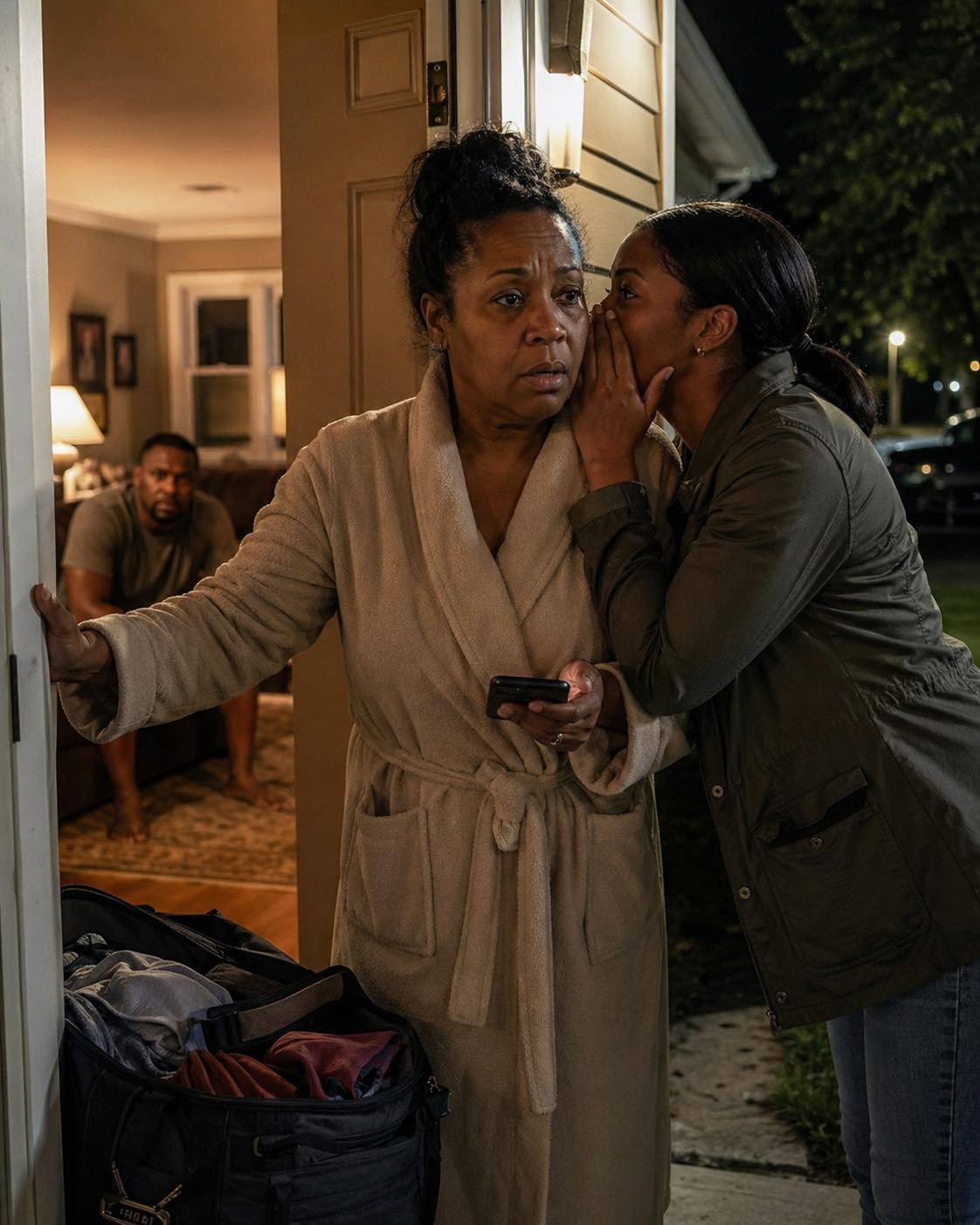
Not just because they were willing to show up at three in the morning with reinforcements and a truck.
Because they were already constructing the story they would use afterward if force became necessary.
By sunrise, Aaron had stopped defending them in the small reflexive ways he still had before that night. He stopped saying Caleb was just desperate. Stopped saying his mother meant well. Stopped acting like family pressure was ugly but basically harmless.
Then came the next update.
At 8:17 a.m., while Lucy ate hotel waffles and watched cartoons with the volume too loud, Aaron checked the family phone plan portal to make sure no one had access to our location. They didn’t.
But someone had logged into his cloud account from Evelyn’s IP address three days earlier.
Downloaded our shared address book.
And opened the folder containing scans of Lucy’s school enrollment records.
I stared at the screen and felt every remaining excuse inside me finally collapse.
This wasn’t a heated family visit that had gone too far.
It was preparation.
And once I understood that, I stopped thinking about surviving the weekend.
I started thinking about what kind of life we could still have if we ever let them find us on their terms again.
We did not go home that weekend.
That was the first boundary Aaron drew without prompting, and it mattered more than any speech. We spent two nights in the hotel while our locks were changed, our camera system upgraded, and Valerie Hines—a family attorney Denise recommended through her church friend’s niece, because Southern women can produce legal resources out of thin air when properly motivated—prepared exactly the paperwork Aaron should have filed years earlier.