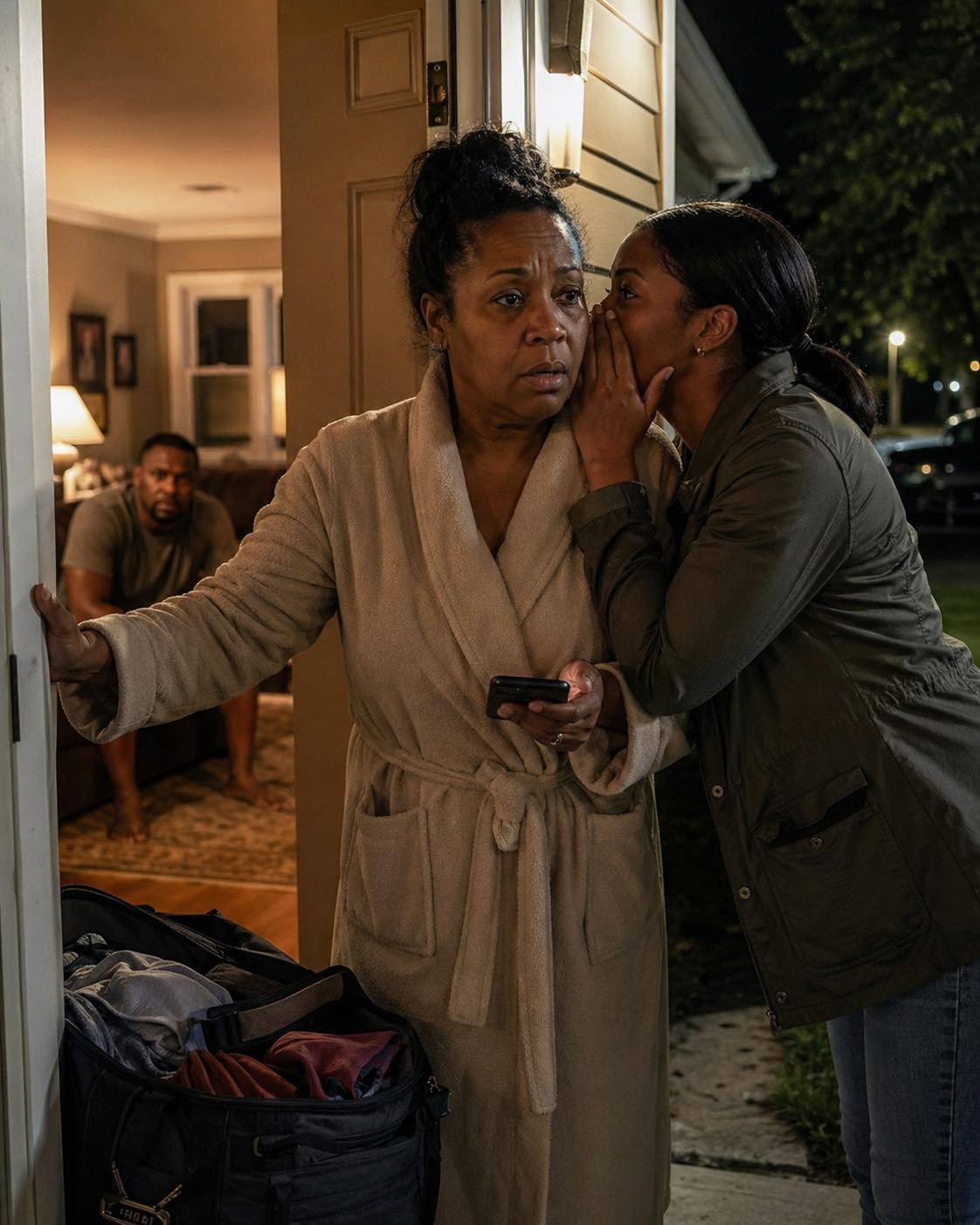
Only then did the full explanation come.
She hadn’t stumbled into this by accident. For the past month, Caleb had been telling people at church and in neighborhood circles that Aaron was “not thinking clearly” and that I was isolating him from his rightful family. Denise only found out because Wade Harper’s ex-wife, Paula, recognized the language. Wade had used the same words before he and two friends forced their way into her garage five years earlier to “retrieve” property during a divorce dispute. It had taken a restraining order and misdemeanor charges to stop him.
“They weren’t coming to talk,” Denise said. “They were coming to overwhelm.”
Aaron sat on the edge of the hotel bed with both hands over his mouth. I had never seen him look that ashamed.
Because now, in the stale hotel air beneath a generic landscape print, the story stopped being about one volatile brother and became what it had always quietly been: a family structure that treated access to Aaron as a collective right, and me as the woman who interfered with it.
At 4:02 a.m., Deputy Walsh called.
He had gone to our house.
Caleb’s truck was there. So was Evelyn’s SUV. And another pickup belonging to Wade. None of them were inside because the front door was deadbolted and, according to Walsh, “there had been some loud disagreement in the driveway” when they realized we weren’t home. He told them to leave and made incident notes. Then he said something that tightened every muscle in my body.
Caleb claimed he had only come because Aaron’s wife was “keeping him and the child from family” and they feared I might be “mentally unstable.”
There it was.
The second truth hidden inside the first.
Your family isn’t who they say they are.