Leaving the Orphanage
When we turned eighteen and aged out of the system, the world suddenly felt enormous and frightening.
But we had each other.
We shared a tiny apartment near the community college. The building was old, the heating barely worked, and the furniture came from thrift stores and sidewalk giveaways.
But we made it ours.
Noah studied computer science. I worked part-time at a bookstore while attending classes.
Money was always tight.
We counted coins, stretched groceries, and celebrated small victories—like when we could finally afford a secondhand couch.
Somewhere along the way, our friendship turned into something deeper.
One evening, after a long day of classes, Noah looked at me and said quietly:
“I think I’ve loved you longer than I realized.”
I smiled.
“Me too.”
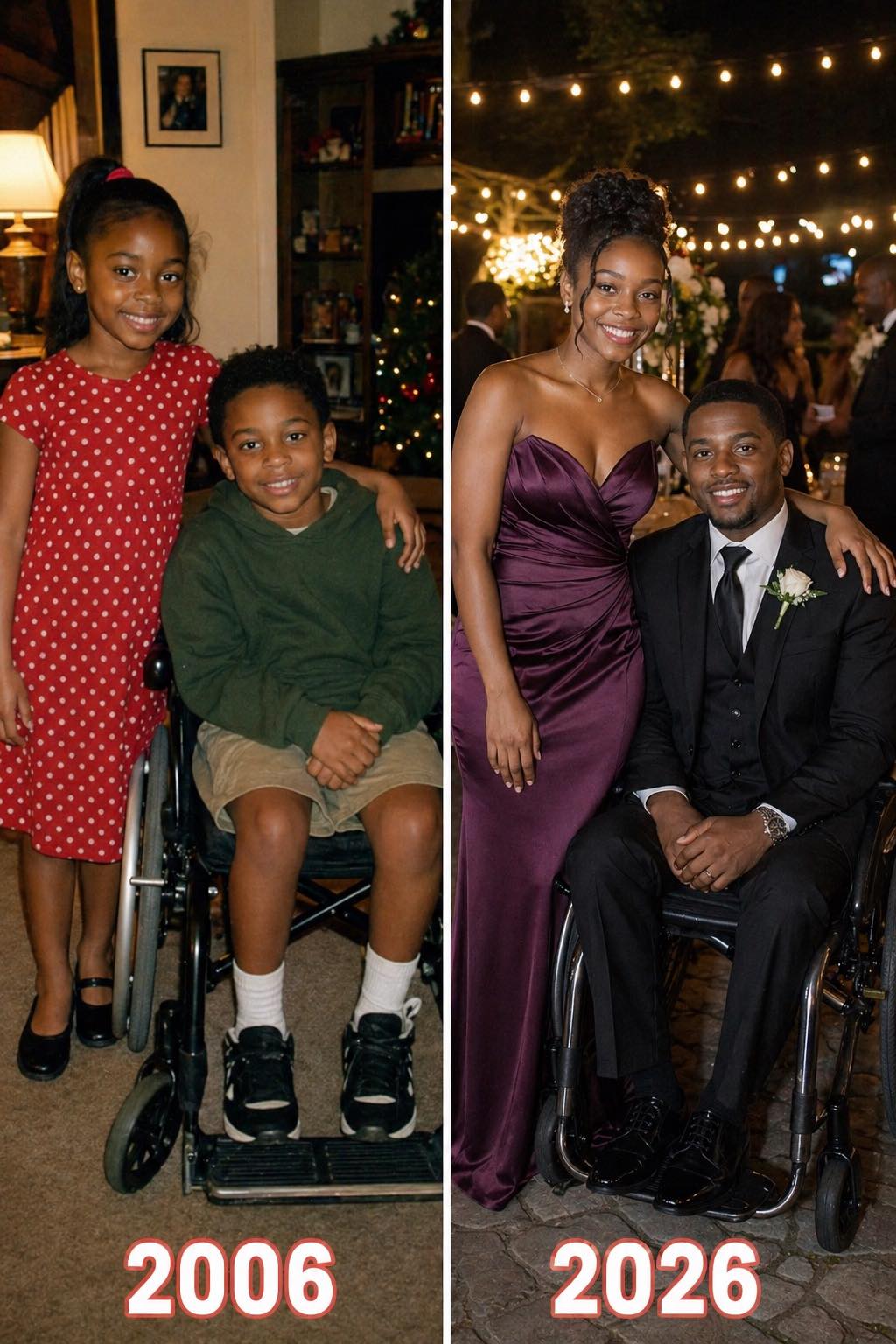
For illustrative purposes only
The Proposal
After college, Noah got a job as a software developer.
It wasn’t glamorous, but it was stable.
A year later, on a rainy evening that reminded him of our orphanage days, he rolled his wheelchair into the kitchen where I was cooking pasta.
He held out a small ring.
“Lena,” he said, nervous but determined, “we’ve been building our life together since we were kids. Will you marry me and keep building it with me forever?”
I didn’t hesitate.
“Yes.”