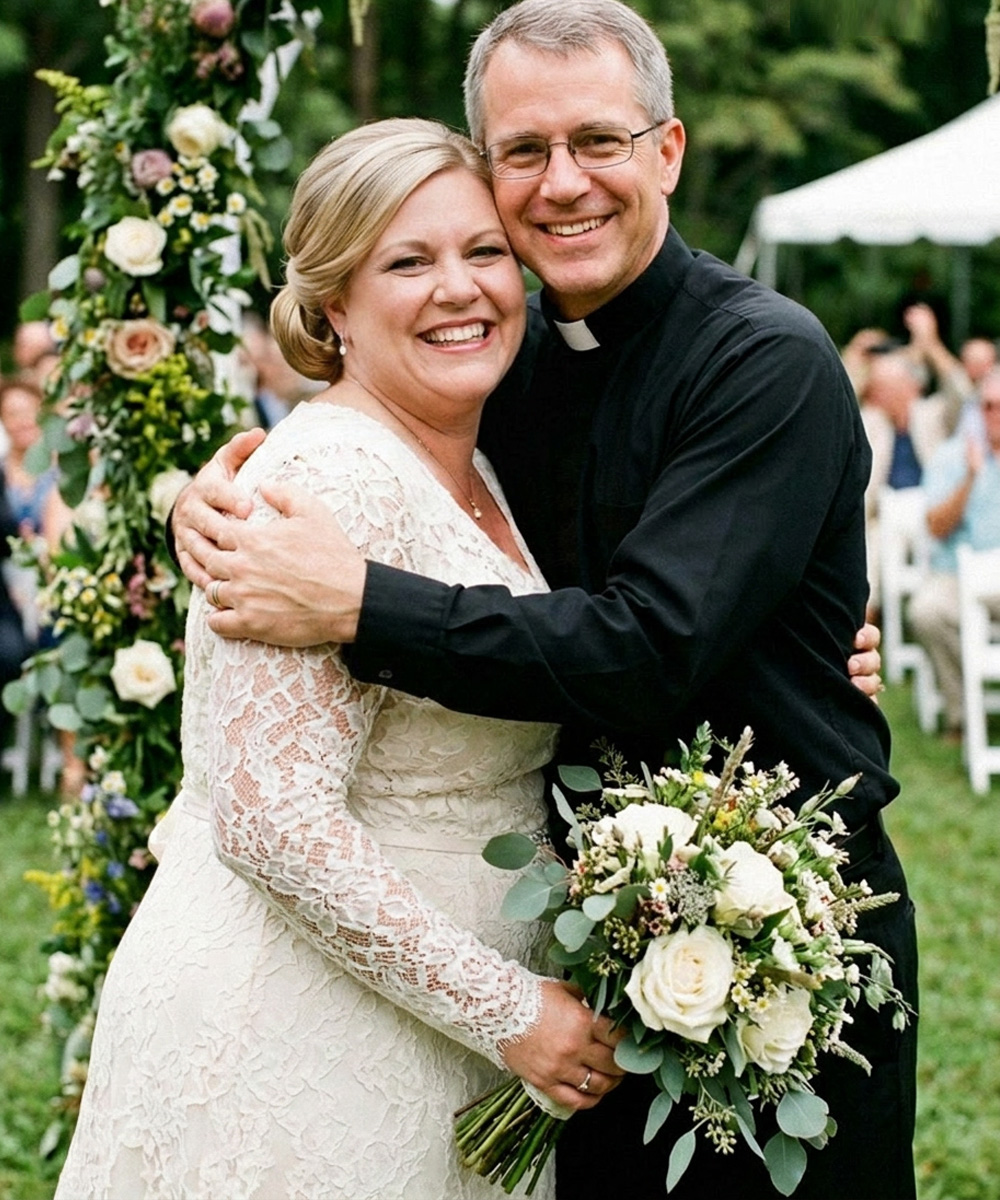
Then I met Nathan.
He didn’t enter my life like a storm. He didn’t try to impress me or rush me into something before I was ready. Nathan simply showed up, consistently, in a way that felt unfamiliar after everything I had been through.
The first time we spoke after church, he asked me a question and then listened—without interrupting, without turning the moment back to himself.
It struck me immediately. Being heard without having to fight for space felt rare.
We took things slowly.
Coffee after church turned into long walks, and those walks became conversations that felt natural instead of forced. There was no pressure to turn it into something more, and somehow that made it feel more real.
Without realizing when it happened, I stopped holding parts of myself back the way I had learned to over the years.
Nathan shared his past early on. He was a pastor, steady in the way he carried himself.
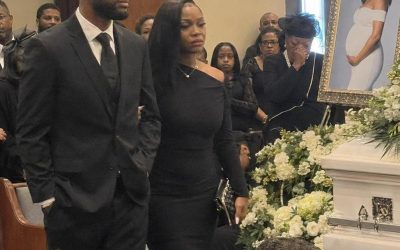
But there were parts he spoke about more quietly. He had been married twice before, and both his wives had passed away.
He didn’t say much beyond that, and I didn’t press him.
Some things don’t need to be explained in detail to be understood. They exist in the pauses between words, in the way someone looks away when a memory gets too close.
Even without him saying much, I could tell his past hadn’t fully released its hold on him.
Still, he was kind.
Not in a performative way, but in a way that remained consistent.
Nathan remembered what I said. He noticed when I grew quiet. He made space for me without making it feel temporary.